Sahyadri Devrai Bio-Diversity Park — Rock Garden, Satara
Where Stone, Soil, and Sahyadri Species Stand Together
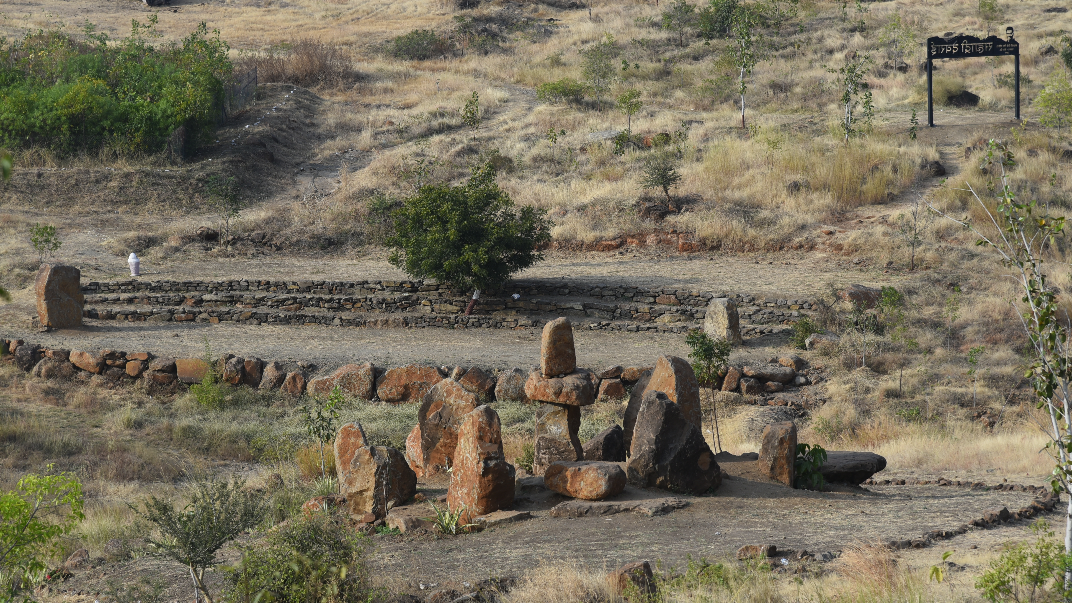
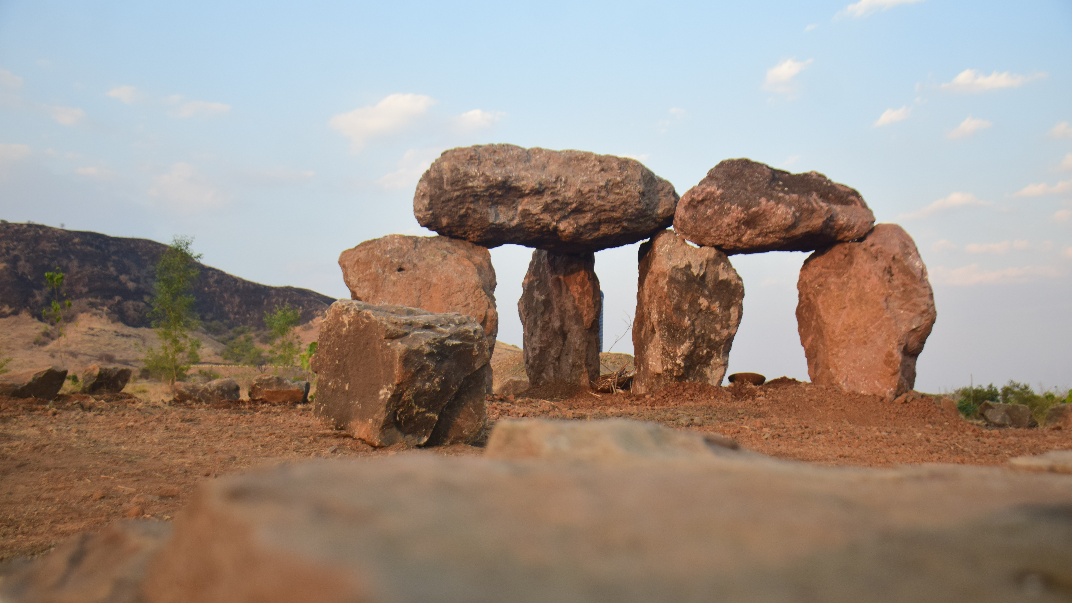
In Satara, where the Sahyadri ranges rise in folds of rock and ridge, Sahyadri Devrai is shaping a place unlike any other in its network — the Bio-Diversity Park Rock Garden. Here, the very stones of the mountain become part of the forest. Native species, hardy and quietly beautiful, are planted among carefully arranged rock formations to recreate the natural texture of the Sahyadris themselves — where life has always grown out of stone.
A rock garden is not just a landscape feature; it is a tribute to how the Sahyadris actually look in the wild. The Western Ghats are full of trees and plants that thrive in rocky, shallow-soil terrain — species that most ordinary gardens overlook. By bringing these resilient natives together within a designed rock landscape, the park celebrates a side of the Sahyadri ecosystem that is rarely seen, rarely studied, and rarely protected. It is a quiet reminder that the mountain does not need flat ground to grow a forest.
Tree Planted
15000
Establishment Date
Jun 2021
Project Area
100 Acres
Taluka
Jawali
01 — A Forest Born of Stone
The rock garden brings together hardy native species that thrive on rocky terrain — the same plants that quietly cover the slopes and ridges of the Sahyadris. Stone and soil work together to host life.
02 — Designed by Nature's Own Pattern
The layout draws inspiration from the natural rock formations of the Western Ghats, where ridges, boulders, and slopes shape the way trees grow. The design celebrates ecology as much as aesthetics.
03 — A Showcase of Rocky-Terrain Species
Many indigenous species suited to shallow soil and rocky ground — often overlooked in plantation drives — find a dedicated home here. The park becomes one of the few places where they are nurtured intentionally.
04 — A Place to Walk, Watch, and Learn
The rock garden is also a living classroom and a quiet retreat. Visitors, students, and researchers can walk through it to see, study, and feel a side of the Sahyadris that is often hidden away in remote ridges.
- A dedicated rock garden within the Satara Bio-Diversity Park, featuring native rocky-terrain species.
- Conservation of indigenous plants that thrive on shallow soil and stony slopes of the Sahyadris.
- A unique educational and aesthetic landscape for visitors, students, and researchers.
- A long-term ecological asset that protects a less-celebrated part of the Western Ghats ecosystem.